

EPOXY RESIN · INDUSTRIAL ADHESIVE
Epoxy adhesives for metal
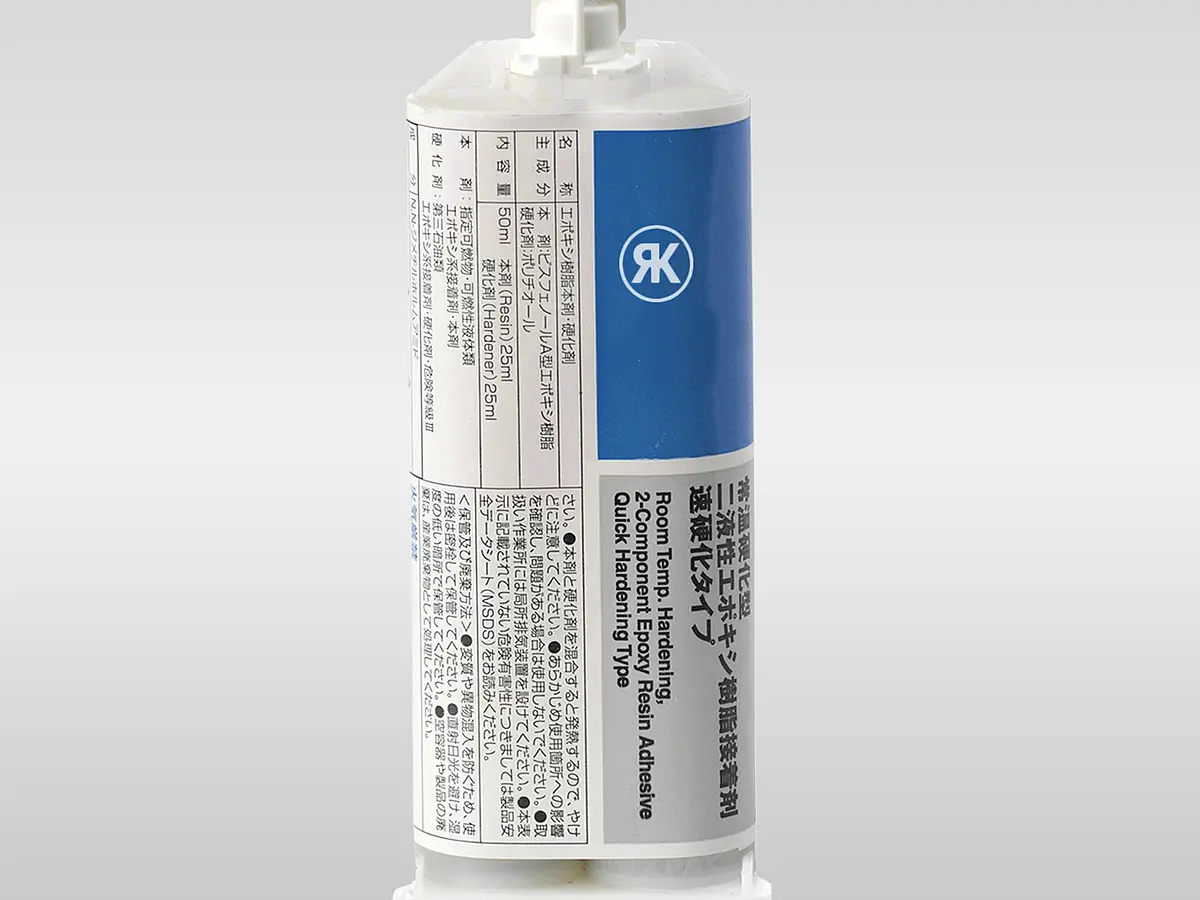
Epoxy adhesives bond suitable metals, plastics and fibre composites in industrial applications. The right formulation depends on the parts to be joined, the load, the application process and the curing conditions.
01
Selection criteria
Choose an epoxy adhesive for the parts and process
Start with both parts and their surfaces, the geometry of the bond line and the loads in service. The range includes single-component, heat-curing epoxy systems as well as two-component structural adhesives. For production, assess dispensing, mixing, working time, handling strength and full cure separately; the figures are specific to each product.
02
EPOXY ADHESIVES IN THE RANGE
Epoxy adhesives for industrial applications
The product listing shows epoxy adhesives in different forms, including structural adhesives and products for electronics applications. Check suitability and processing against the data for each product.
No products found
No products are currently listed in this category. Request a call back and we will help you find the right product.
Request a callback03
SELECTING EPOXY ADHESIVES
Which epoxy system suits the joint?
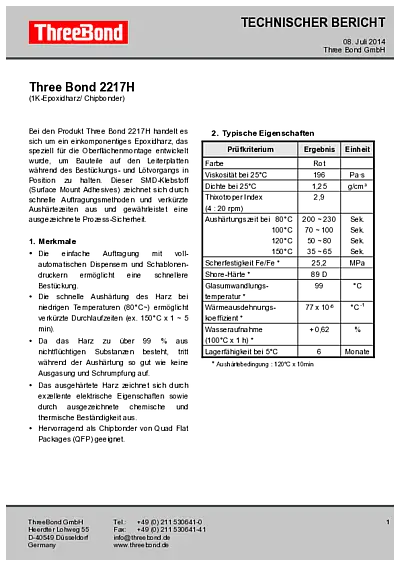
Depending on the part and process, two-component structural adhesives may be suitable for loaded metal or fibre-composite joints. The single-component epoxy systems documented here require heat to cure. Potting and sealing serve a different purpose from joining two parts; select those products for the required protective or sealing function.
Match the product data to the surfaces, bond line, loads and service temperature. For a technical selection, also tell us how the adhesive will be applied and when the assembly must move to the next production step.
04
EPOXY SYSTEM DATA SHEET
05
EPOXY ADHESIVE SELECTION FAQ
How do single-component and two-component epoxy adhesives differ?
The component count tells you whether the adhesive is supplied as one formulation or whether two components must be mixed before application. It does not, by itself, specify the curing time. The single-component 3M Scotch-Weld 2214 Regular needs heat to cure. The two-component 3M Scotch-Weld DP420 is mixed and cures at room temperature. Your available temperature control, dispensing method and mixing process therefore matter. Then compare the product-specific times and suitability for the parts you need to join.
Which materials can epoxy adhesives join?
That depends on the particular epoxy adhesive and the surfaces. The product data for the two-component 3M Scotch-Weld DP420 describe use with metals, selected plastics and fibre composites. This does not establish that every epoxy adhesive suits every material combination. Assess both parts, their surfaces and the load on the bond line together. For plastics, specify the actual plastic and its surface condition before making a reliable product selection.
Why should working time, handling strength and full cure be checked separately?
They describe different stages in production. The adhesive must be applied and the joint positioned within its working time. Handling strength is an intermediate state; full cure may follow later. The current product entry for 3M Scotch-Weld DP420 gives approximately 20 minutes of working time at room temperature, handling strength after approximately 2 hours and full cure after approximately 24 hours. These figures do not apply to other epoxy adhesives. Use the data for the selected product and your actual process conditions when planning production.
When is epoxy resin used for potting instead of bonding?
When the task is to fill a cavity or protect or seal components, the potting function is decisive. Three Bond 2210 is described as a single-component epoxy resin for potting and sealing. That use differs from structurally joining two parts, even though the chemistry belongs to the epoxy-resin family. Specify the intended result, cavity geometry and processing method before selecting a product. For a load-bearing bond, the adhesive properties needed for that joint must be checked separately.
06
Request advice
Describe the parts to be joined, their surfaces, the bond line, loads and service conditions. Our adhesive-technology team will review suitable epoxy adhesives and how to use them in your process with you.
Check epoxy adhesives for your application
Tell us about the parts, process and intended result. We will discuss the product selection with you.

ADHESIVE TECHNOLOGY ADVICE
Thomas Klein
Contact for products
Thomas Klein will discuss your parts, bond line and epoxy-adhesive application with you.