

ADHESIVE RANGE · APPLICATION-BASED SELECTION
Adhesives for industrial applications
The right adhesive depends on the substrates, surface, load and application process. Use this range to explore adhesive systems, sealants and potting compounds, then narrow down the options for your task.
01
Adhesive systems and applications
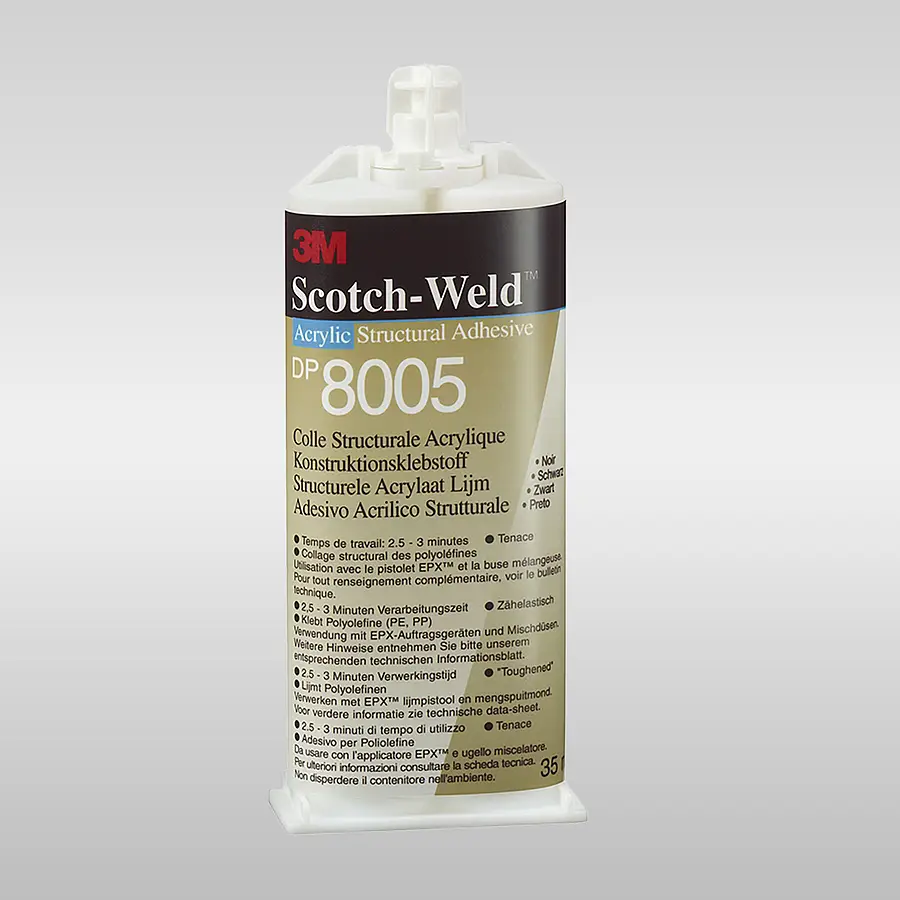
3M Scotch Weld
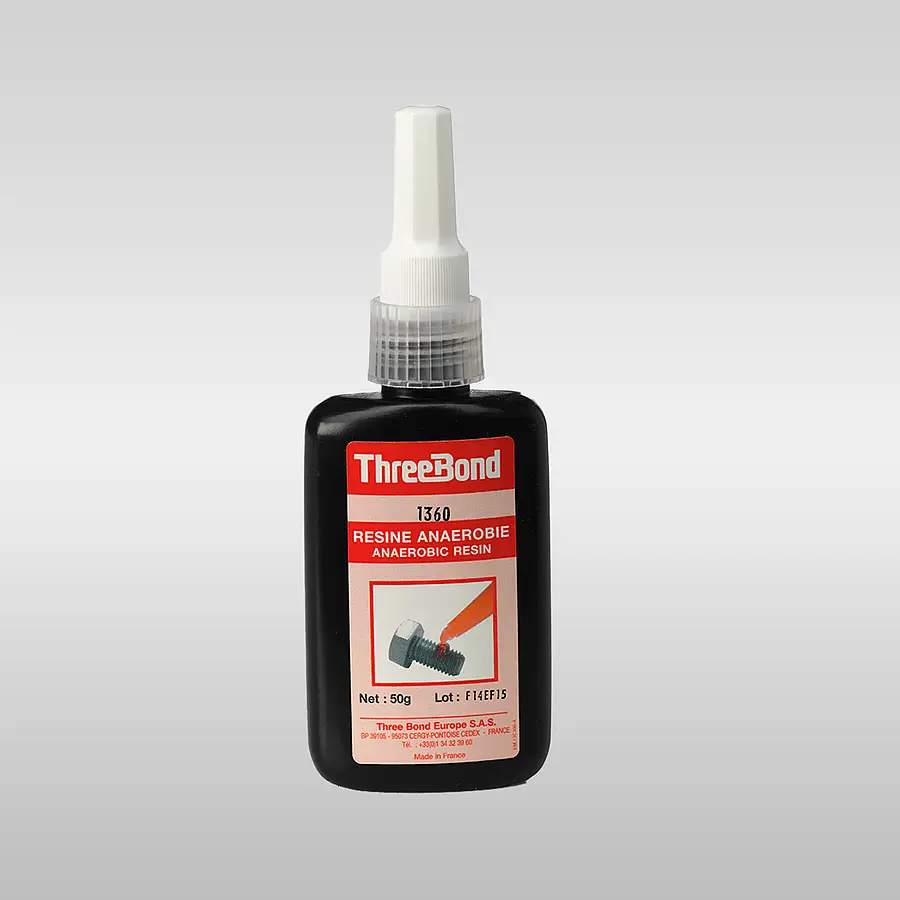
Threebond
Industrial adhesives
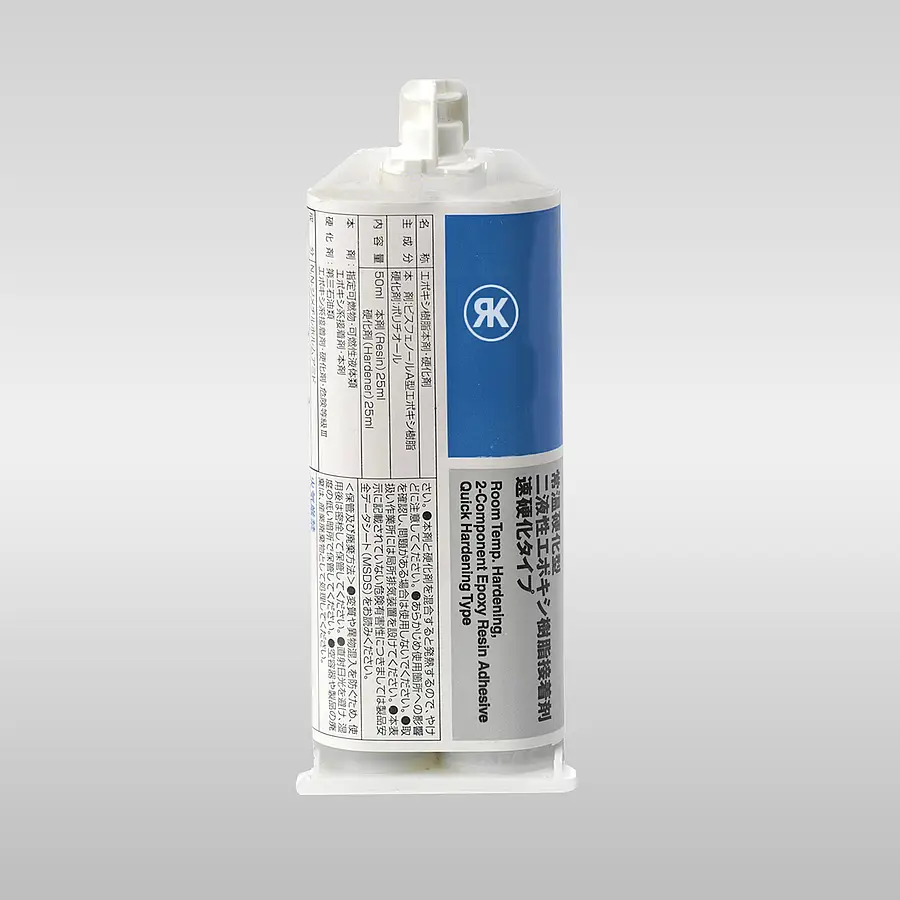
Two-component adhesives
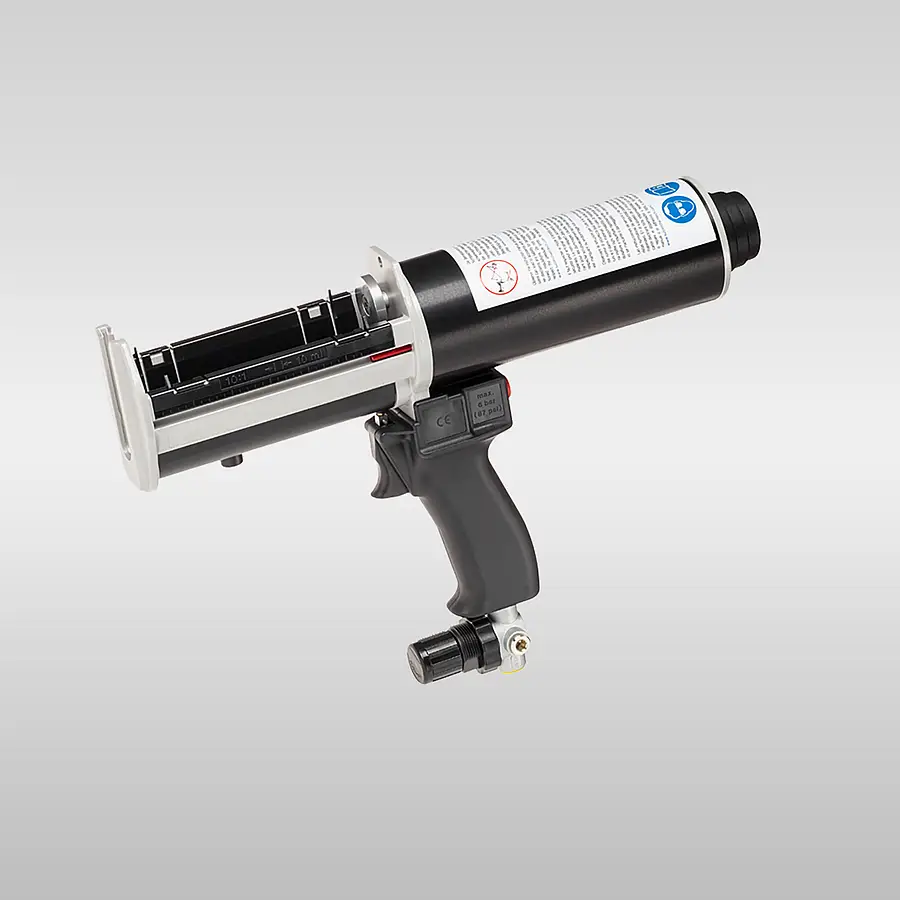
Assembly adhesives
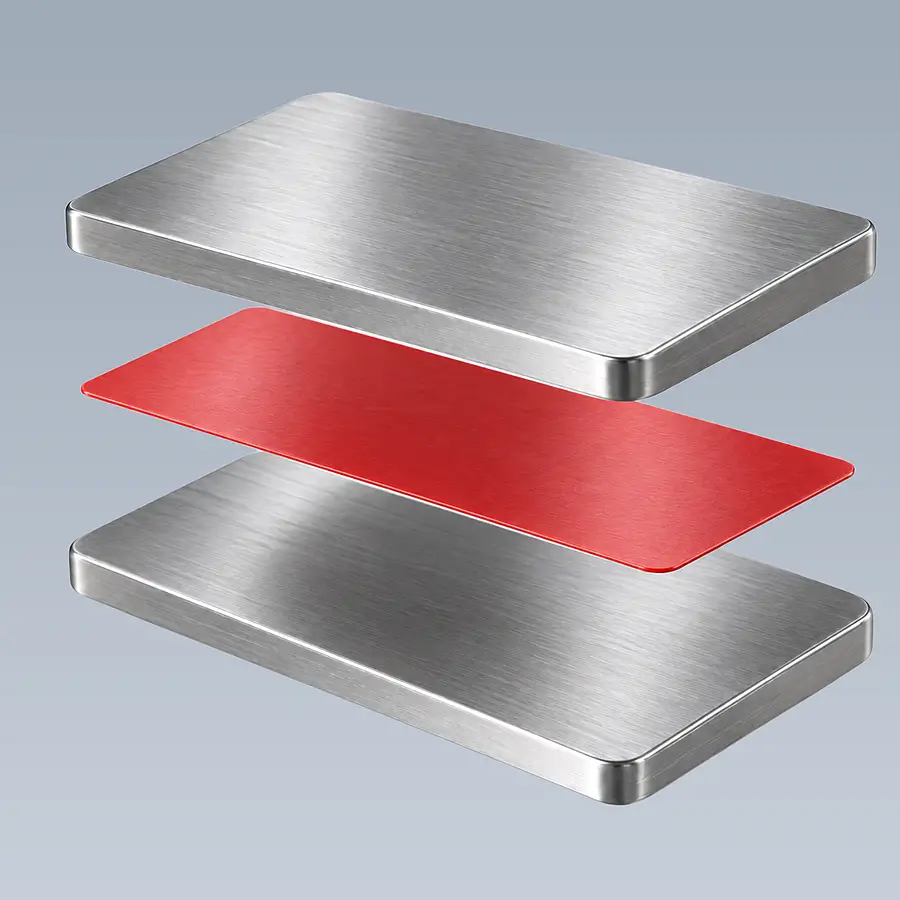
Metal adhesives
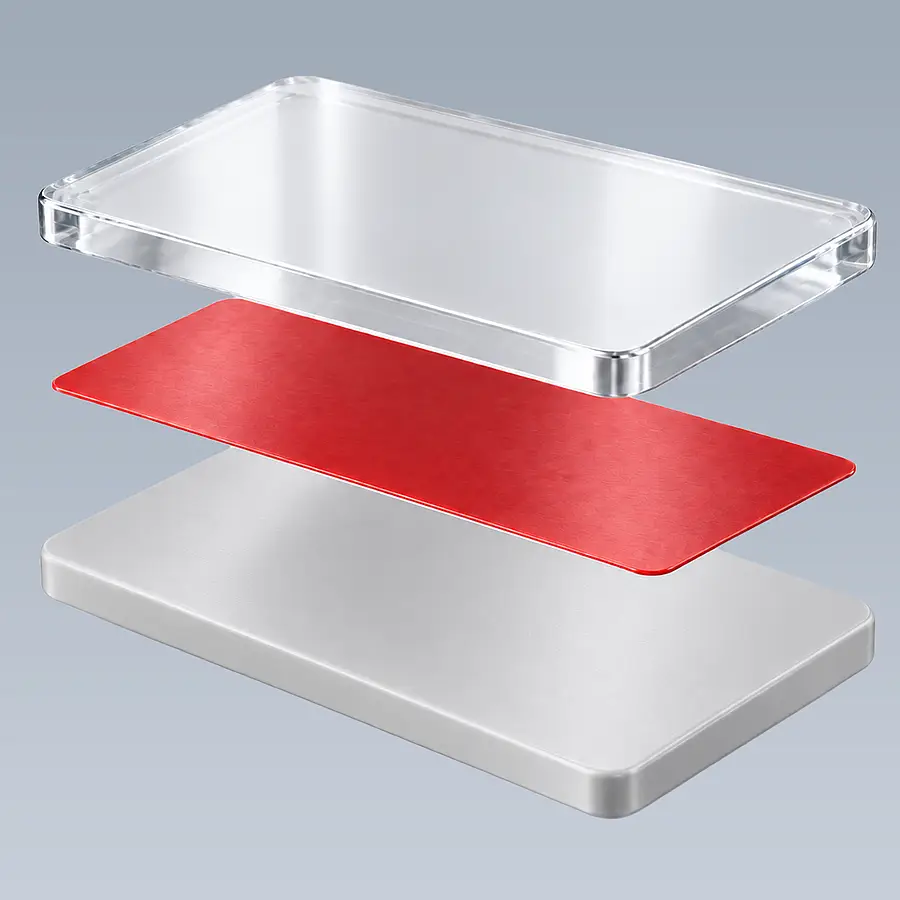
Plastic adhesives
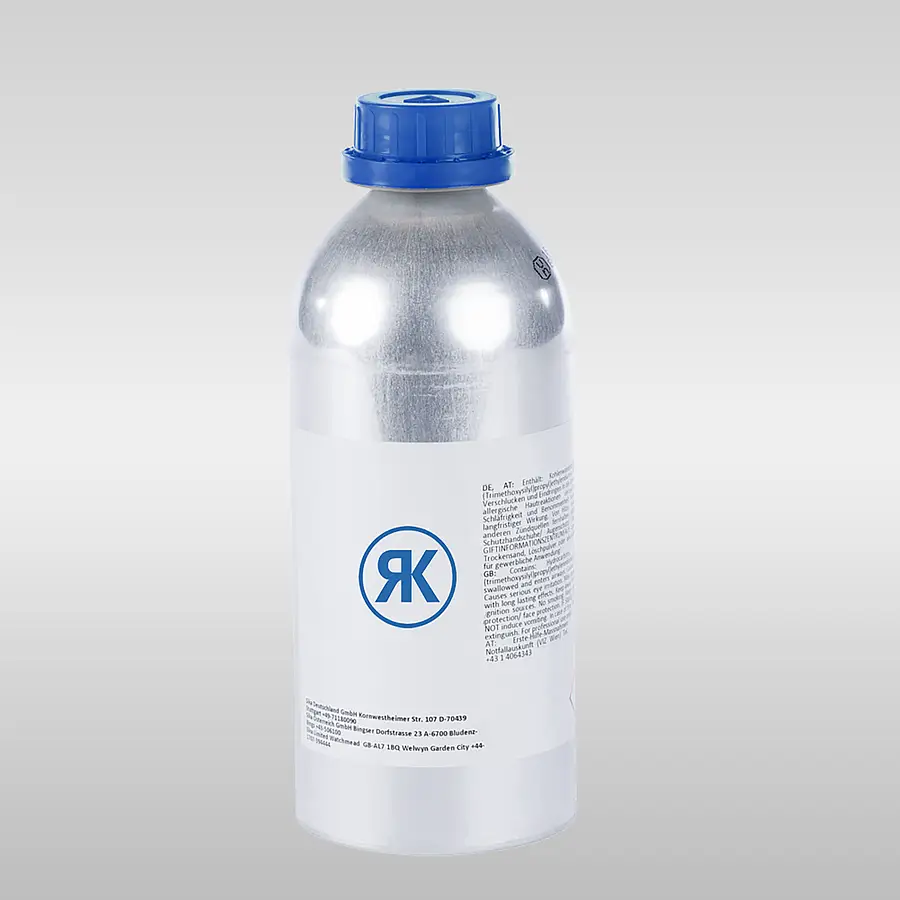
Adhesive accessories
Sealing compounds
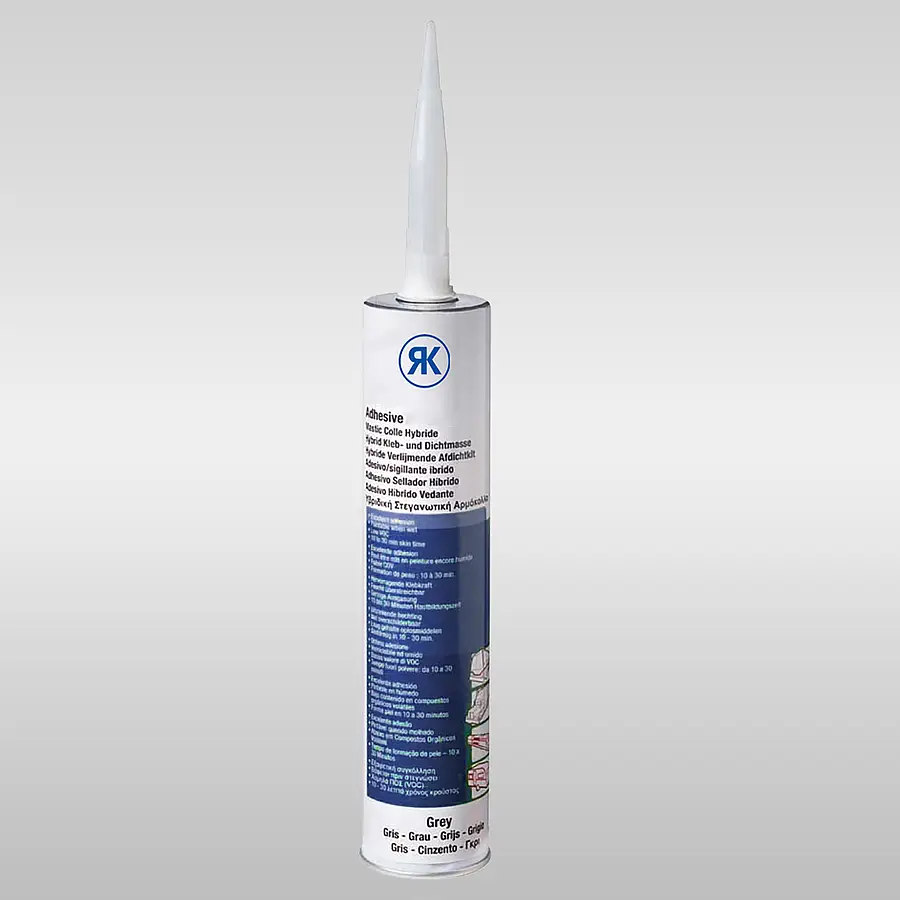
Sealants
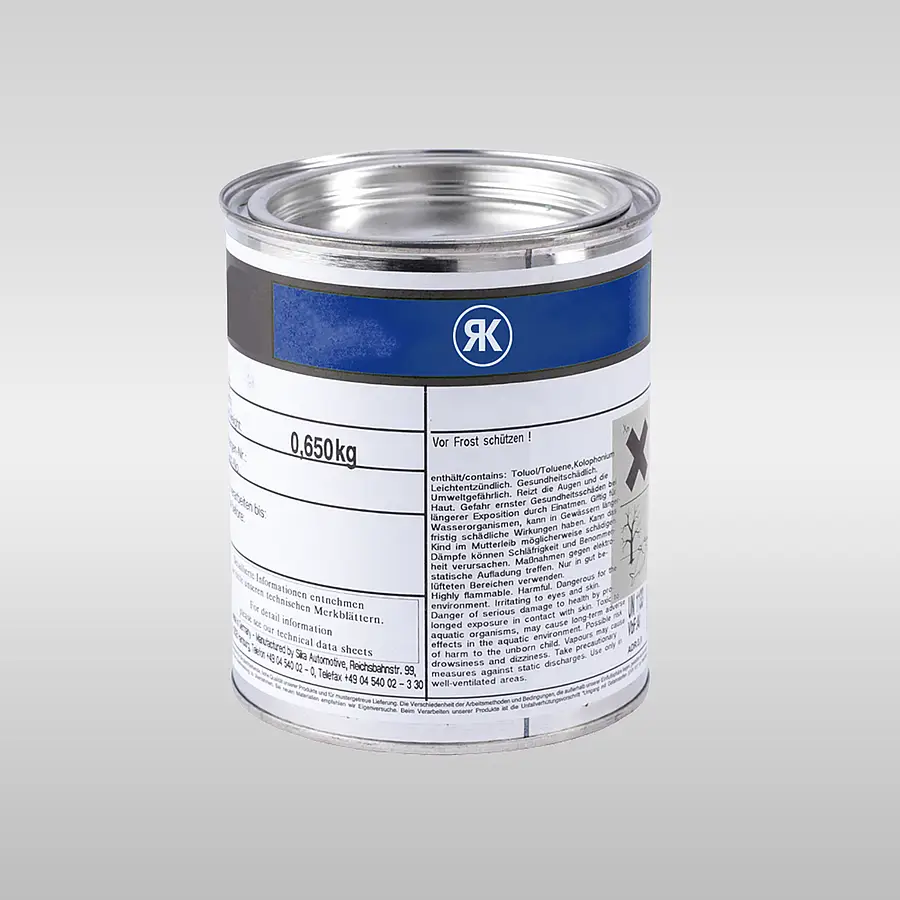
Potting compounds
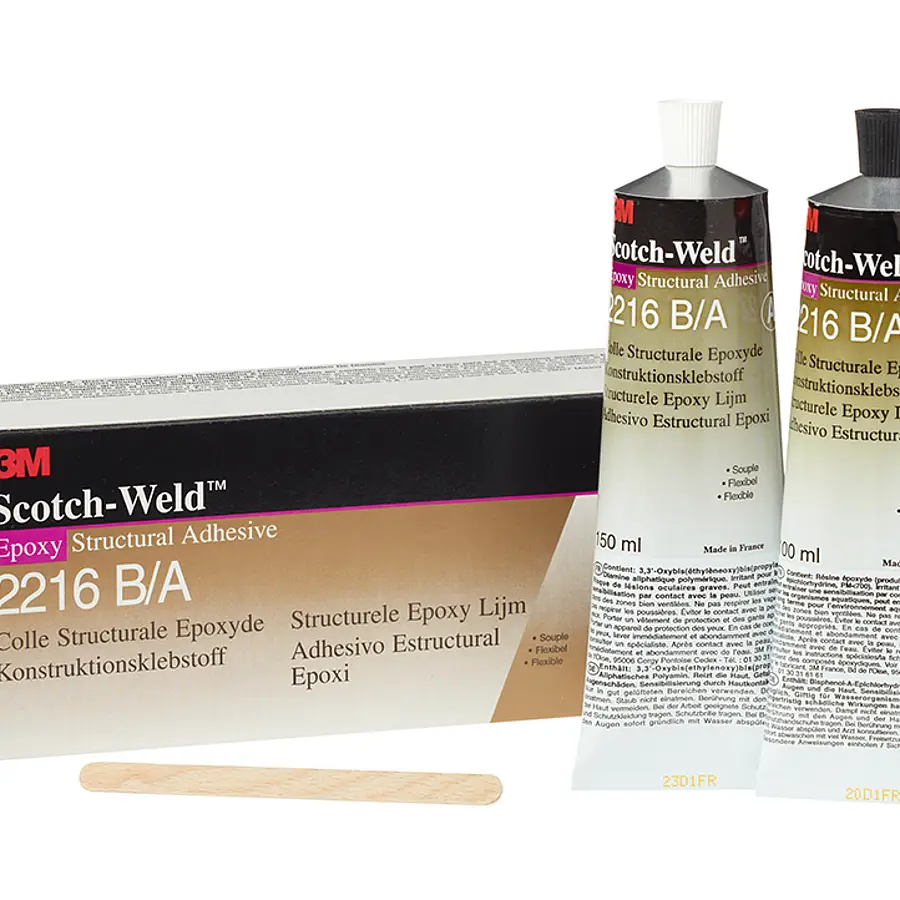
Elastic adhesives
Chemically setting adhesives
Fire-resistant adhesives
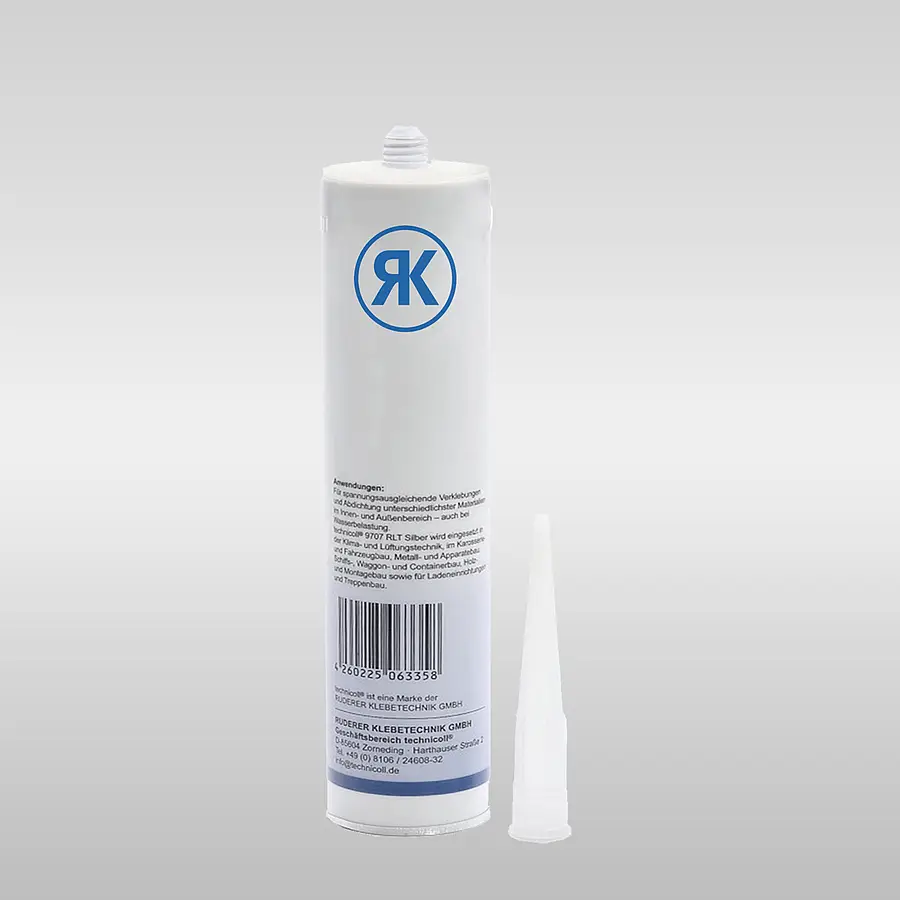
Water-resistant adhesives
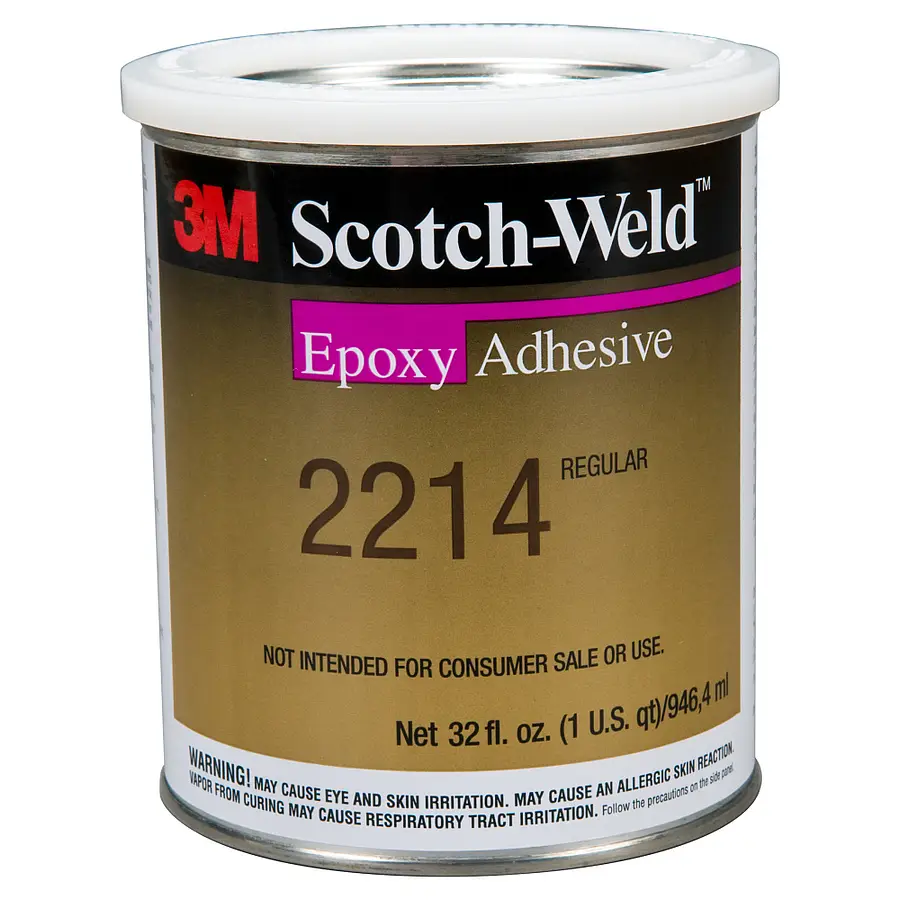
Heat-resistant adhesives
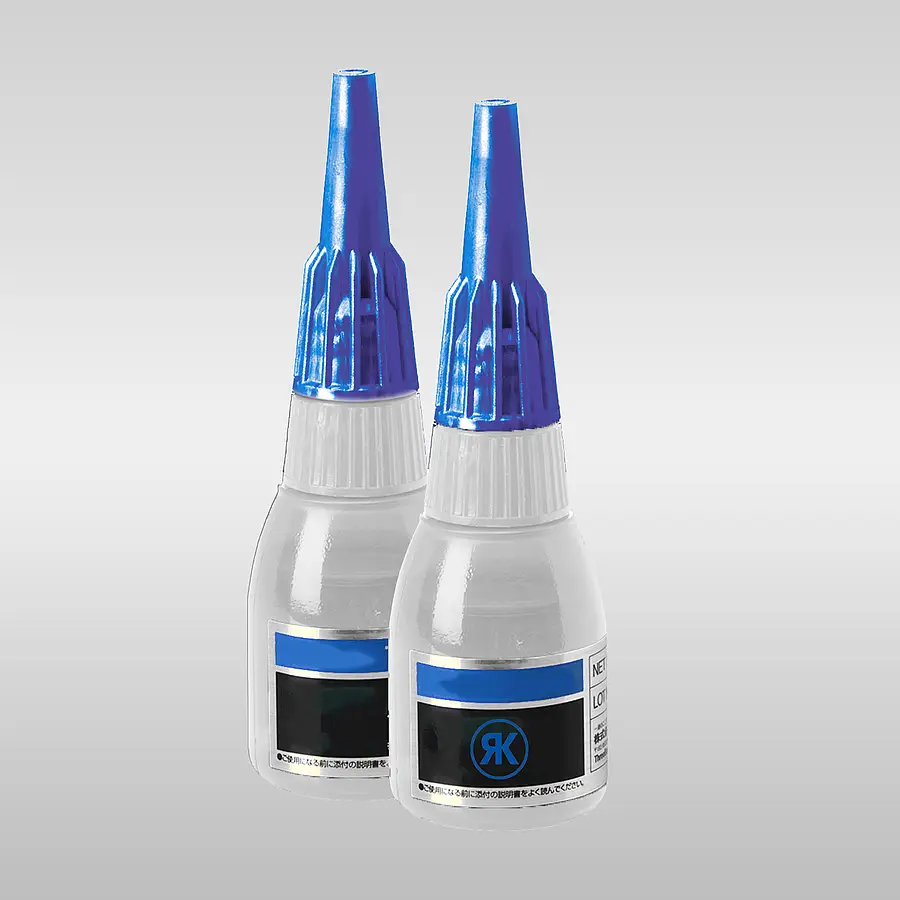
Adhesives for food contact
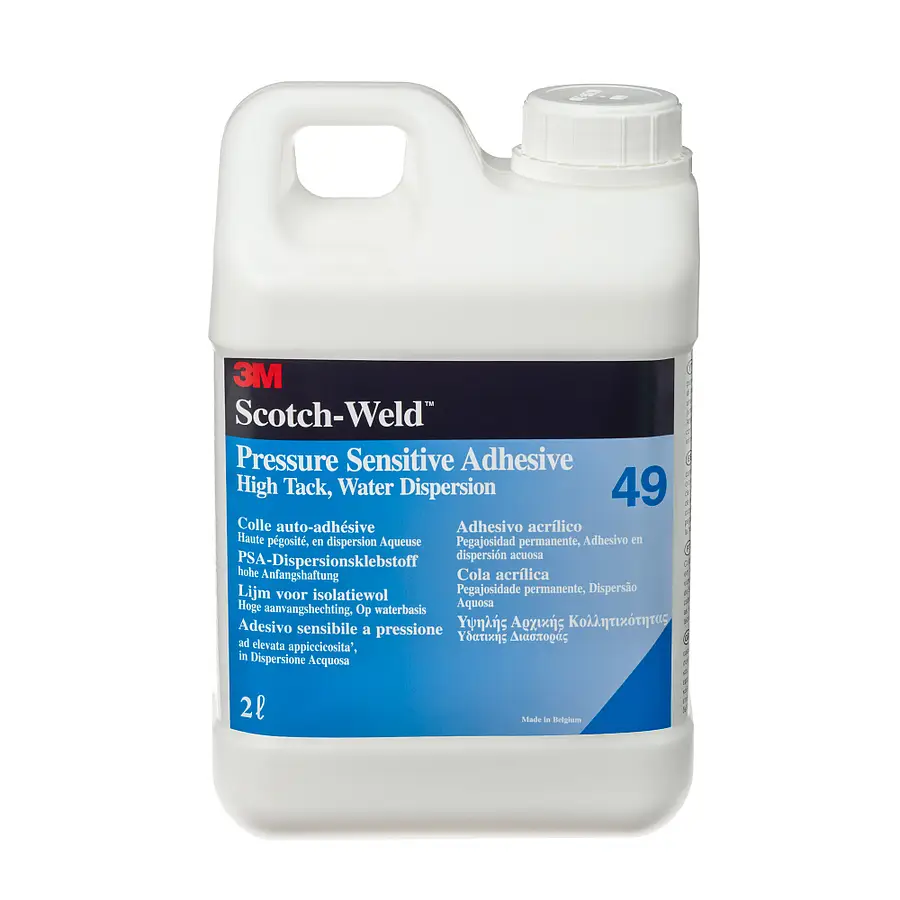
Physically setting adhesives
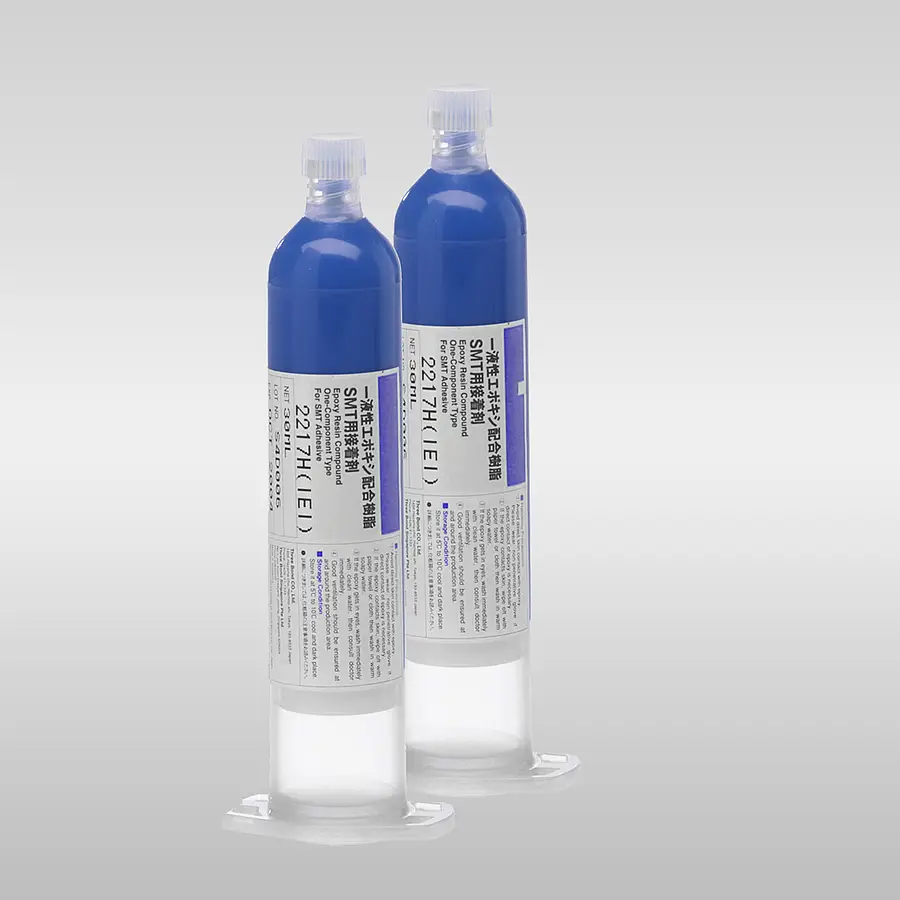
Electrically conductive adhesives
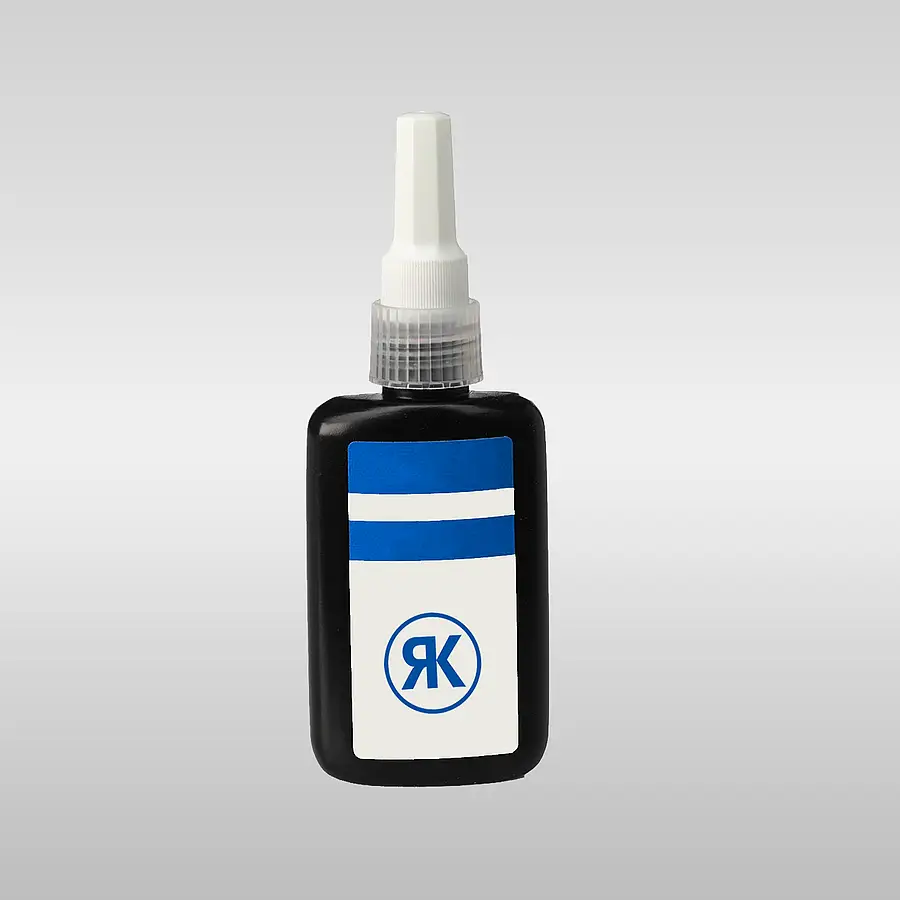
UV-curing adhesives
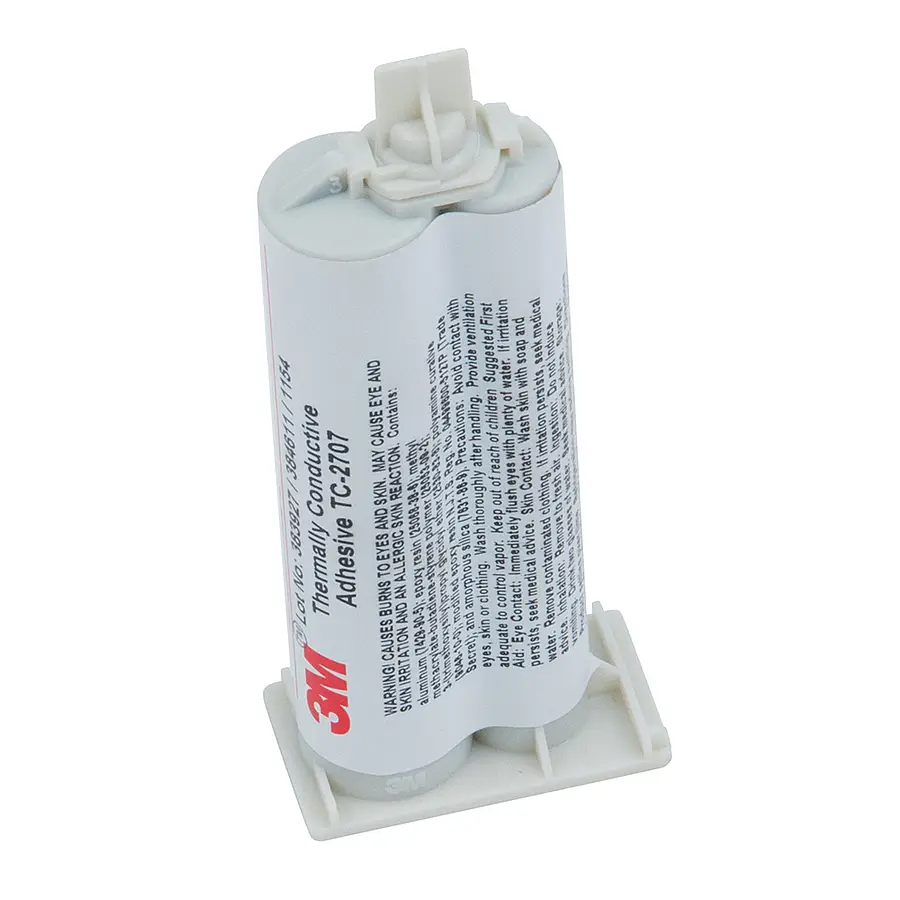
Thermally conductive adhesives
02
Selection criteria
What matters when choosing an adhesive
Start with the substrates and their surfaces: an adhesive must wet the surface and suit the material combination. Then consider the type of load, joint geometry and conditions during application and use. Mixed systems add dispensing, mixing ratio and a limited working time. Check open time, required fixturing and full cure separately. Select functions such as sealing, potting or conductivity only from the data for the specific product.
03
Industrial adhesive range
Adhesives in the range
The product listing shows adhesives and associated systems in the range. Use its filters for an initial selection and check the product data against your joining task.

Sealant
Three Bond 1107D - Nichttrocknende Hochtemperatur-Flüssigdichtung - 1 kg Dose

Sealant
Three Bond 1221C / 1221D - RTV-Silikon-Klebedichtung - 100 g Tube
Sealant
Three Bond 1220G / 1220H - RTV-Silikon-Klebedichtung - 330 ml Kartusche
Sealant
Three Bond 1217L (Variante B) - RTV-Silikon-Flüssigdichtung - 20 kg Eimer
No products match this combination.
No products match all of the selected filter criteria.
04
Selecting industrial adhesives
Turn the range into a relevant shortlist
First compare the substrate combination, surface condition and load. Then check whether application, possible fixturing and curing fit your production process. Temperature and exposure to other media depend on the individual product; a category does not establish general resistance. The relevant subcategory guides you to sealing or potting when those are the main tasks. Send us details of the components and process so that the selection can be assessed.
05
Questions about adhesive selection
What information is needed to choose an industrial adhesive?
Start with both substrates, their surface condition, the bond area and the load on the joint. Add the temperature, moisture, exposure to other media and the conditions in production. Application method, possible fixturing and the point at which the assembly must be processed further also matter. These details turn a general adhesive enquiry into an application that can be assessed. Krückemeyer GmbH can use them to narrow down suitable systems; the specific product and joint still need to be checked against product data and actual service conditions.
How does the number of components differ from the curing mechanism?
The number of components describes whether a product is applied as one system or whether separate resin and hardener must be combined. The curing mechanism describes what causes the adhesive layer to solidify. For example, a one-component anaerobic adhesive cures in the absence of oxygen and in the presence of metal. Mixing and a limited working time matter for a two-component system. Neither designation alone identifies the adhesive chemistry or proves suitability for a substrate. Consult the technical data and processing instructions for the specific product.
Why are open time, fixturing time and curing time different?
They refer to different stages of bonding. Depending on the system, open time limits the interval between application and joining; mixed systems may also have a separate working time. Fixturing keeps the parts in position while the joint is not yet sufficiently strong. Product-specific curing determines when the intended properties are reached. Temperature and part thickness can affect this process. Plan application, joining, fixturing and later loading separately using the data for the selected adhesive.
When should I look for a sealant or a potting compound?
If the main task is sealing a joint or potting a component, start with the corresponding category. Sealing or potting is a different selection task from transferring load between two bonded parts. The required function, geometry, movement, environment and application method all matter. Some products can combine functions, but the suitability of a particular product must follow from its data. Describe the intended result first, then assess the system designed for that task.
How do I assess temperature, water or food contact?
Check these requirements for the individual product under the intended service conditions. A category name alone does not establish approval for every temperature, prolonged water exposure or food contact. Specify the substrate, medium, duration of exposure and load on the joint. Keep application temperature separate from temperature during later use. Krückemeyer GmbH can use product data for an initial selection; missing approvals and limits of suitability must be clarified before use.
06
Request advice
Describe the substrates, surfaces, loads and planned application process. This helps our adhesive technology team assess suitable products and identify what still needs testing for your task.
Enquire about your bonding task
Have you described the components and service conditions? Send your enquiry or discuss the next assessment step with our adhesive technology team.

Adhesive technology
Thomas Klein
Contact for products
Thomas Klein helps you assess your joining task and choose suitable adhesives.