

ADHESIVES FOR METAL
Metal adhesives for industrial metal joints
Metal adhesives join metal components when the adhesive, surfaces and loads suit one another. Your choice depends on the second material, preparation of the bonding surfaces and the planned application process.
01
Selection criteria
What information guides adhesive selection?
Start by describing both parts: which metal and which second material need to be joined? The surfaces, joint geometry, loads, and application and curing conditions also matter. Depending on the joining task, two component structural adhesives are an option for metal joints, while anaerobic adhesives are used for metal threads. Whether a product suits your joint must be assessed against the actual materials and service conditions.
02
ASSESS THE METAL JOINT
How to narrow down a metal adhesive
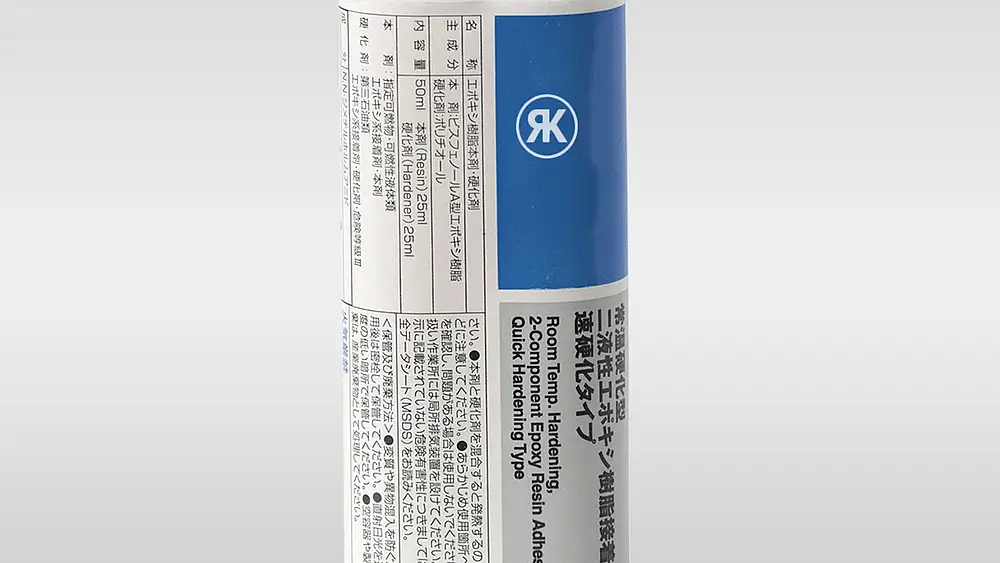
The metal surface alone does not determine the adhesive. Selection also calls for details of the second part, the loads and the intended process. For one two component epoxy metal adhesive, the bonding surfaces must be dry and clean, particularly free from oil, grease and release agents. Adhesion trials are needed before use. These requirements apply to that product and cannot be extended to every metal adhesive.
Distinguish the working time, the period for which the parts must be held in position, the time until handling and full curing. The service temperature is also specific to the product and, for this epoxy adhesive, depends on the parts and loads. Include the pack size, application method and intended sequence of work in your enquiry. For another product group, see two component adhesives.
03
QUESTIONS ABOUT BONDING METAL
Which adhesive suits a joint between metal and plastic?
It depends on the specific metal, the plastic and the loads on the joint. A two component acrylic structural adhesive can join certain metals and plastics; that does not mean it suits every plastic or surface. Identify both materials as precisely as you can and describe the loads and application conditions. These details allow product information to be assessed and suitable trials to be planned for your joining task.
Why does preparation of the metal surface matter?
The bonding surface is part of the joint. For one two component epoxy metal adhesive, the surfaces must be dry and clean, particularly free from oil, grease and release agents. Abrading the surfaces improves bond strength in many cases. The right preparation for your material and chosen adhesive must be checked within the specific process. Include any coating and the condition of both parts when you describe your application.
Can a metal adhesive join different metals?
Yes. One two component epoxy metal adhesive can join aluminium, steel, stainless steel, copper, brass and galvanised steel, for example. This range of materials applies to that product, not to every metal adhesive. Whether the joint holds in your application also depends on surface preparation, gap, curing and loads. Adhesion trials are necessary before practical use.
What should a metal adhesive enquiry include?
For a technical assessment, identify both parts, their surfaces and the shape of the joint. Explain the loads the joint must withstand and how the adhesive can be applied and cured. The required pack size and planned dispensing method also form part of the process. With these details, Krückemeyer GmbH can compare the available product information with your application and identify which points call for trials or further manufacturer information.
04
Request advice
Use the form to describe the metal, second material, surfaces, loads and application process. We will discuss the relevant product group and the suitability checks needed for your joint.
Discuss your metal joint
Send us the key details of your joining task. We will discuss selection and the next assessment step for your application.

ADVICE ON BONDING METAL
Thomas Klein
Contact for products
Thomas Klein will discuss the materials, surfaces and loads of your metal joint with you.