

ACRYLATE ADHESIVE · METAL JOINTS
Acrylate adhesive for metal joints
The listed acrylate system bonds metal parts by anaerobic curing: the reaction starts after assembly, when air is excluded and the adhesive contacts metal. Check the substrates, joint gap and time to the required strength before selecting it for your assembly.
01
Selection criteria
Which metal parts need to be joined?
Start with both substrates, their surfaces and the actual joint gap. The listed acrylate system is documented for metal joints; its curing mechanism is anaerobic and requires the exclusion of air and contact with metal after assembly. Also check the loads on the joint and when the assembly needs to reach handling strength and final strength. The acrylate chemistry alone does not determine the number of components or the curing time of other adhesives.
02
ACRYLATE ADHESIVE RANGE
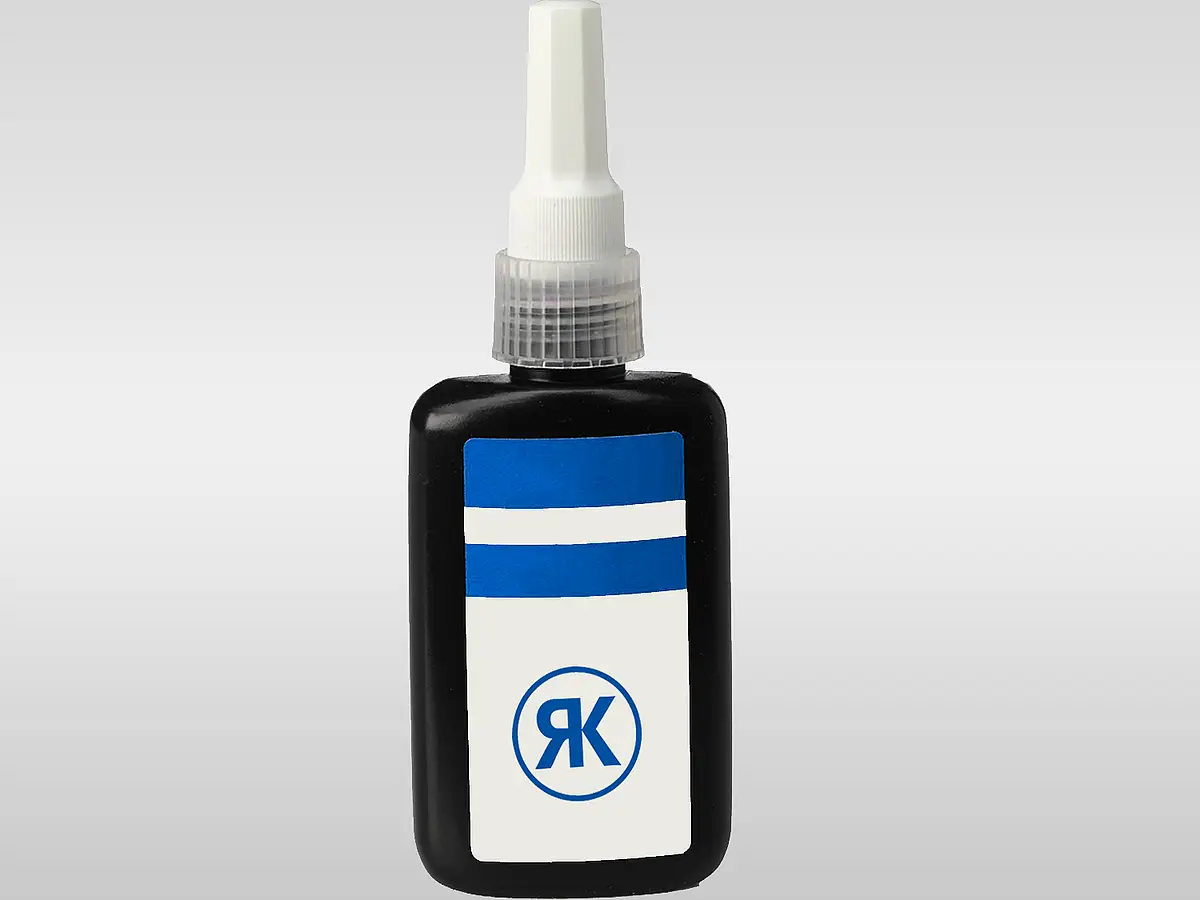
Anaerobic acrylate adhesive for metal parts
The product listing shows the assigned acrylate adhesive for metal joints. Its product data and datasheet determine whether it suits your gap and process.
No products found
No products are currently listed in this category. Request a call back and we will help you find the right product.
Request a callback03
CHOOSING FOR THE JOINT
Check the gap, loads and curing process
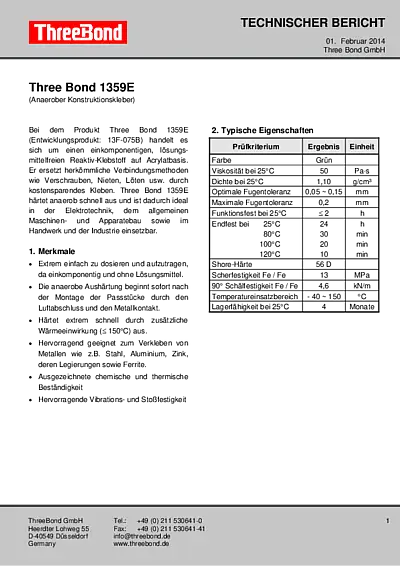
Steel, aluminium, zinc, their alloys and ferrites are named as substrates for the listed system. Its optimal joint gap is 0.05–0.15 mm; this does not establish suitability for larger gaps. Moisture, grease and other contaminants should be removed from the bonding surfaces. Apply the adhesive according to the joint conditions, assemble the parts immediately and hold them in position.
Allow for the difference between handling strength and final strength when planning the assembly cycle. Tell us the substrates, gap, loads and required time before the next process step so we can assess the system for your application.
04
DATASHEET FOR THE ACRYLATE SYSTEM
05
QUESTIONS ABOUT ACRYLATE ADHESIVES
What does acrylate chemistry mean for the listed adhesive?
Acrylate describes the adhesive chemistry. The listed system is a one-component reactive adhesive based on acrylate and cures anaerobically: after assembly, the reaction starts when air is excluded and the adhesive contacts metal. The word “acrylate” alone therefore specifies neither a particular number of components nor the same curing route for every acrylate adhesive. For your joint, compare the specific product information on substrates, processing and curing.
Which parts can the acrylate adhesive in the listing bond?
For the listed system, the manufacturer names metal joints involving steel, aluminium, zinc and their alloys, as well as ferrites. These materials provide the starting point for product selection. Your actual surface, geometry and loading still need to be assessed for the joint. Acrylate chemistry does not, by itself, establish suitability for plastics or other materials; include both substrates when you send an inquiry about such requirements.
How should the joint and surfaces be prepared?
The optimal joint gap for the listed system is 0.05–0.15 mm. The manufacturer also states that moisture, grease and other contaminants should be removed from the bonding surfaces. The amount applied depends on the gap width, surface roughness and unevenness. After even application, join the parts immediately, position them correctly and hold them in place. Check the actual gap and assembly sequence on your parts before choosing the system.
When does the joint reach handling and final strength?
Handling strength and final strength are specified separately for the listed system. At 25 °C it reaches handling strength within 2 h at most; final strength at 25 °C is stated after 24 h. Additional heat can accelerate curing, but requires a suitable process and parts that tolerate the temperature. Do not transfer these times to other acrylate adhesives. The time before the next process step and the actual joint conditions matter for your production.
06
Request advice
Describe both metal parts, the joint gap, surfaces, loads and assembly cycle. We will assess with you whether the listed acrylate adhesive suits the joint and your process.
Assess the adhesive for your metal joint
Do you need to design a metal joint or clarify the application process? Send us the joint details or add the listed item to your inquiry list.

ADHESIVE APPLICATION ADVICE
Thomas Klein
Contact for products
Thomas Klein will discuss the substrates, joint gap and required strength development with you.